


Herman Miller Aeron vs Steelcase Leap V2: The Definitive Office Chair Comparison
Comparing two of the most iconic ergonomic office chairs the Herman Miller Aeron and the Steelcase Leap V2 isn’t just about specs. It’s about understanding how each chair supports posture, comfort, and productivity throughout your workday. Both are premium, long-lasting investments designed to help you sit better, move more naturally, and stay comfortable through extended use.
Whether you’re choosing a chair for your home office or outfitting a corporate workspace, this comparison breaks down the key differences so you can decide which seat truly fits your needs.

Key Explanation: Why This Comparison Matters
Ergonomics isn’t one-size-fits-all and these two chairs represent very different approaches to solving common sitting problems. The Aeron uses breathable suspension mesh and size options to tailor how the chair fits your body, while the Leap V2 focuses on adjustability and dynamic support that moves with you as you change position throughout the day. Understanding these core philosophies posture enforcement versus adaptive motion is essential if you want a chair that keeps you comfortable and healthy for long work sessions
Movement Support
Steelcase chairs respond intuitively as you move, helping reduce muscle fatigue and pressure buildup throughout the day.
Spinal Alignment
Adaptive back systems support the natural S-curve of the spine in every posture, reducing lower-back strain.
Upper-Body Relief
Highly adjustable armrests support shoulders, neck, and arms across multiple tasks and devices.
How Steelcase Chairs Support the Way You Work
Step 1: Dynamic Back Support
Steelcase chairs feature flexible back designs that adjust automatically as you move. Technologies like LiveBack® allow the backrest to change shape, maintaining continuous spinal support whether you’re sitting upright, reclining, or leaning forward. The result is consistent support without the need for constant manual adjustments.
Step 2: Personalized Adjustability
Every body is different, which is why Steelcase chairs offer a wide range of intuitive adjustments:
Seat height and depth to support proper circulation
Adjustable lumbar support to fit individual spinal curves
Recline tension calibrated to body weight
Multi-directional armrests to reduce shoulder and wrist strain
These adjustments ensure the chair fits the user not the other way around.
Step 3: Designed for Multi-Device Work
Modern work involves laptops, external monitors, tablets, and phones. Steelcase chairs are designed to keep users supported as they transition between devices, preventing forward-head posture and s shoulder tension.
Armrests move in multiple directions, and synchronized recline keeps users balanced and supported during task changes.
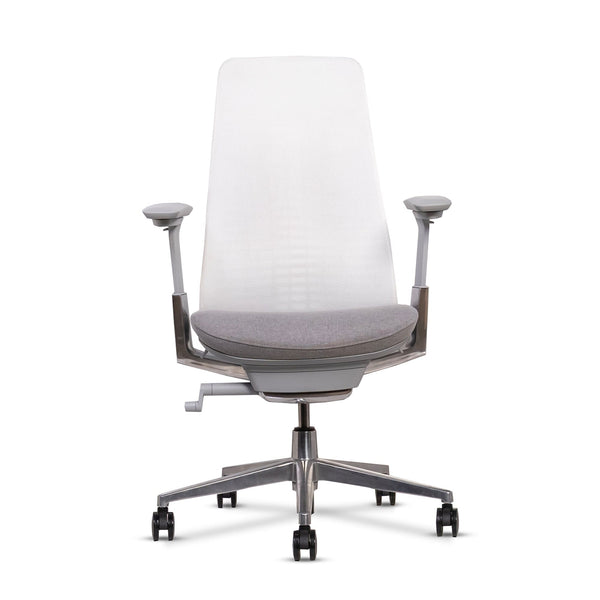
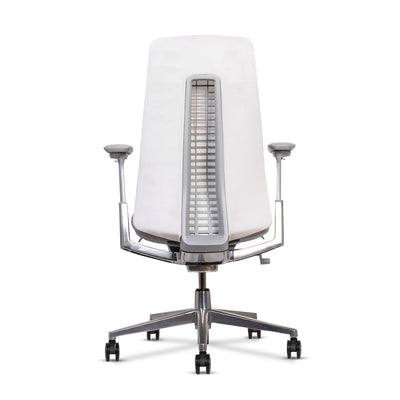
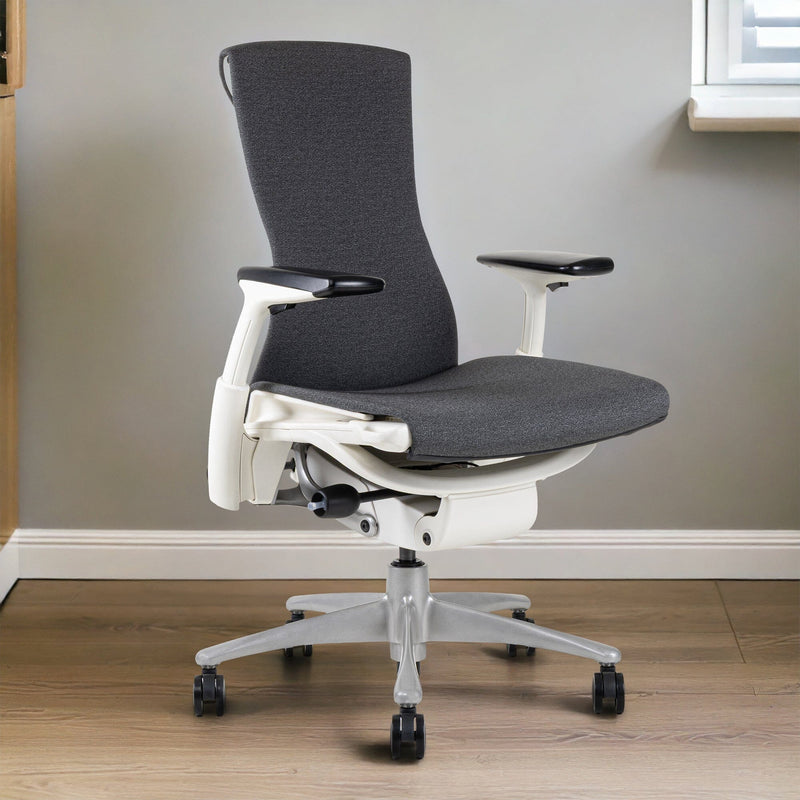
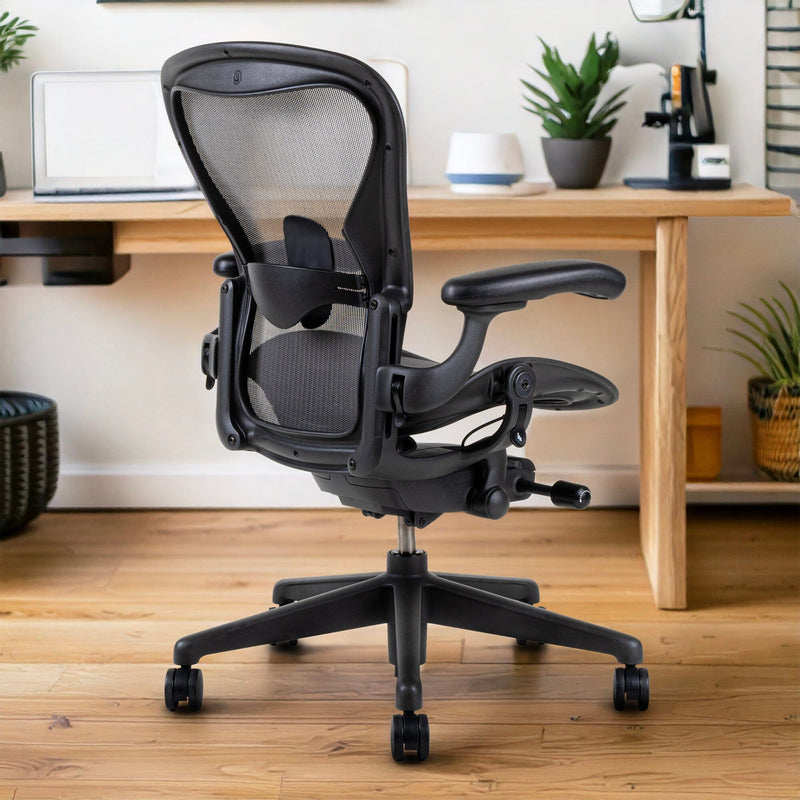
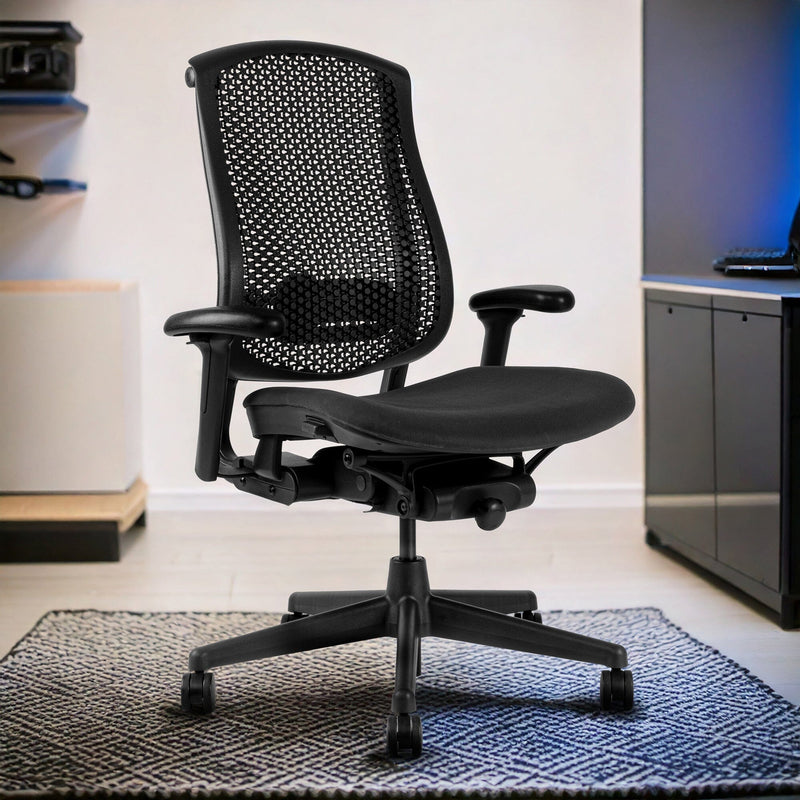
When buying used or refurbished, use this checklist to ensure the chair is fully functional
Comparative Analysis: Aeron Sizing and Alternatives
| Steelcase Model | Primary Support Focus | Ideal Use Case |
|---|
| Steelcase Leap | Dynamic spinal support with LiveBack® | Long hours, task-intensive work |
| Steelcase Gesture | Multi-device and arm support | Modern, tech-heavy workflows |
| Steelcase Series 1 | Essential ergonomic support | Home offices and compact spaces |
| Steelcase Series 2 | Balanced flexibility and comfort | Hybrid work environments |
Frequently asked Questions
Steelcase chairs are built using extensive research into human movement and posture. They support continuous movement while maintaining proper alignment, rather than forcing a fixed sitting position.
Q. Are Steelcase chairs suitable for long work hours?Yes. Steelcase chairs are designed for all-day use, with features that reduce pressure points, support circulation, and minimize fatigue during extended sitting.
Q. Do Steelcase chairs require frequent adjustments?Most adjustments are intuitive and easy to set. Once properly configured, the chair adapts naturally as you move throughout the day.
Q. How do Steelcase chairs support well-being beyond comfort?By reducing physical strain and encouraging healthy movement, Steelcase chairs help improve focus, energy levels, and overall work performance.

Ready to transform your space? Visit Chairorama to explore our collection.
