


How Steelcase LiveBack Technology Redefines Ergonomic Seating
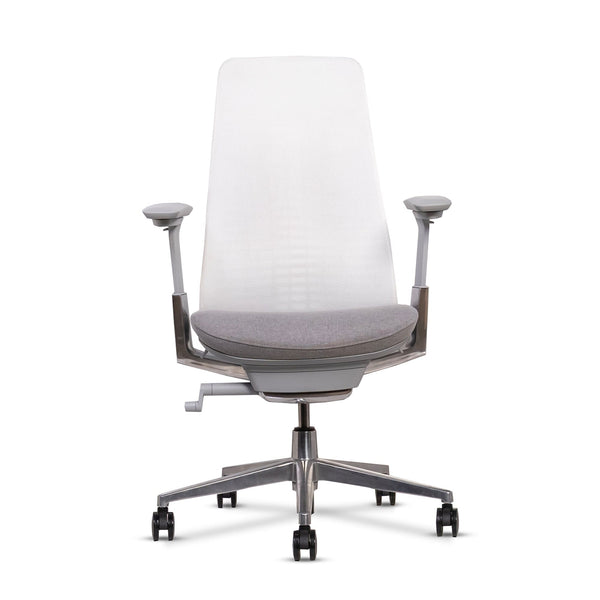
Understanding the mechanics behind your office chair is the first step toward a pain-free workday. Steelcase LiveBack technology represents a paradigm shift in ergonomic design, moving away from static support to a dynamic system that mimics the changing shape of the human spine. This guide explores the engineering behind LiveBack and how it compares to industry giants like the Herman Miller Celle task chair.

Understanding Why It Matters
In the world of high-end office furniture available at Chairorama, static sitting is considered the enemy of health. The human spine is not a rigid pole; it changes shape as you move from a focused typing position to a relaxed recline. Steelcase LiveBack technology addresses this by providing a backrest that physically changes shape.
Spinal Emulation: The technology is designed to mimic the natural movement of the vertebrae, reducing shear force on the discs.
Continuous Support: Unlike standard chairs that leave gaps between your back and the chair when you recline, LiveBack maintains contact.
Pressure Distribution: It encourages blood flow by ensuring no single part of the back bears excessive weight.
Posture Correction: It actively prevents the "slump" associated with long-term fatigue.
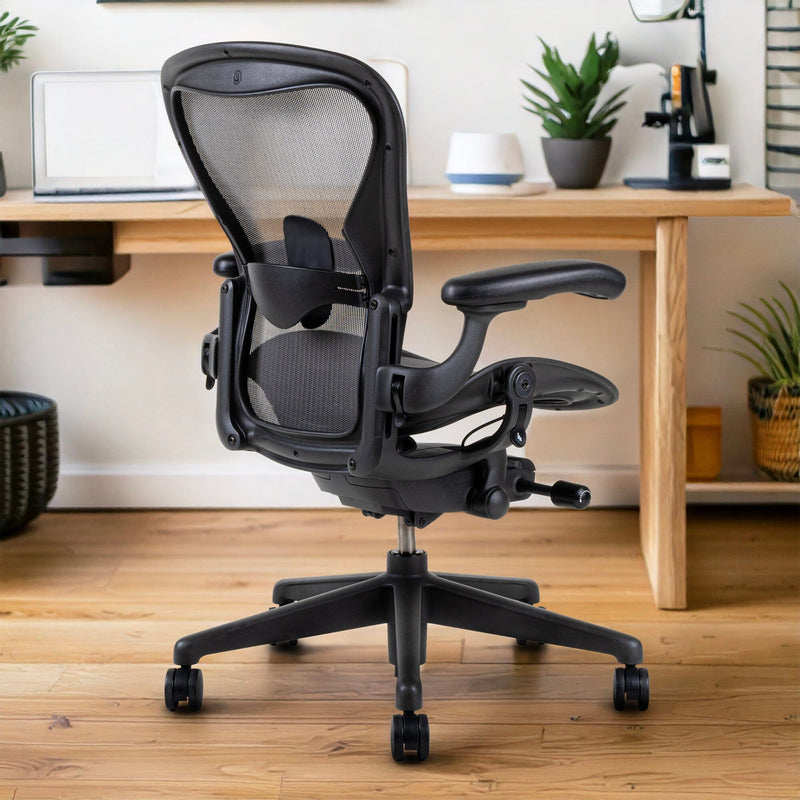
Versatility: It adapts to various user sizes, much like the specific sizing found in a size c herman miller aeron.
Phase 1: Mimicking the Spinal Contours
While the Celle uses a grid of cells to distribute weight, LiveBack uses a system of connected slats in the backrest that move independently. These slats conform to your spine's unique "S" shape.
Phase 2: Independent Flexor Systems
Steelcase chairs, such as the Leap or Gesture, utilize separate controls for the upper and lower back. This allows the user to set a firm lumbar support while allowing the thoracic (upper) spine to move freely
Phase 3: The Dynamic Recline Mechanism
When you lean back, the seat pan of a Steelcase chair glides forward while the backrest tilts. This keeps your eyes focused on the screen and your hands on the keyboard, maintaining the "vision cone" without straining your neck.
Common Value Scenarios You Will See
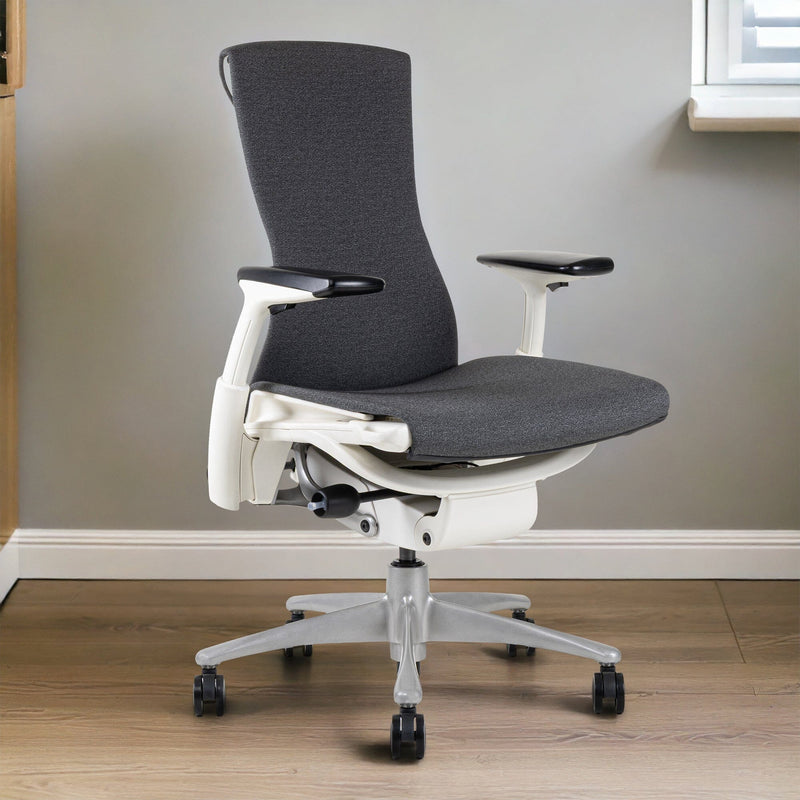
Not all chairs age the same way. Herman Miller chairs typically fall into one of these categories.
Strong Resale
Well-maintained chairs often sell quickly in the secondary market, even after years of use.
Minimal Depreciation
Refurbished purchases usually experience slower value loss since the initial depreciation has already occurred.
Long-Term Utility
Even when resale is not immediate, the chair continues delivering ergonomic benefits far beyond standard alternatives.
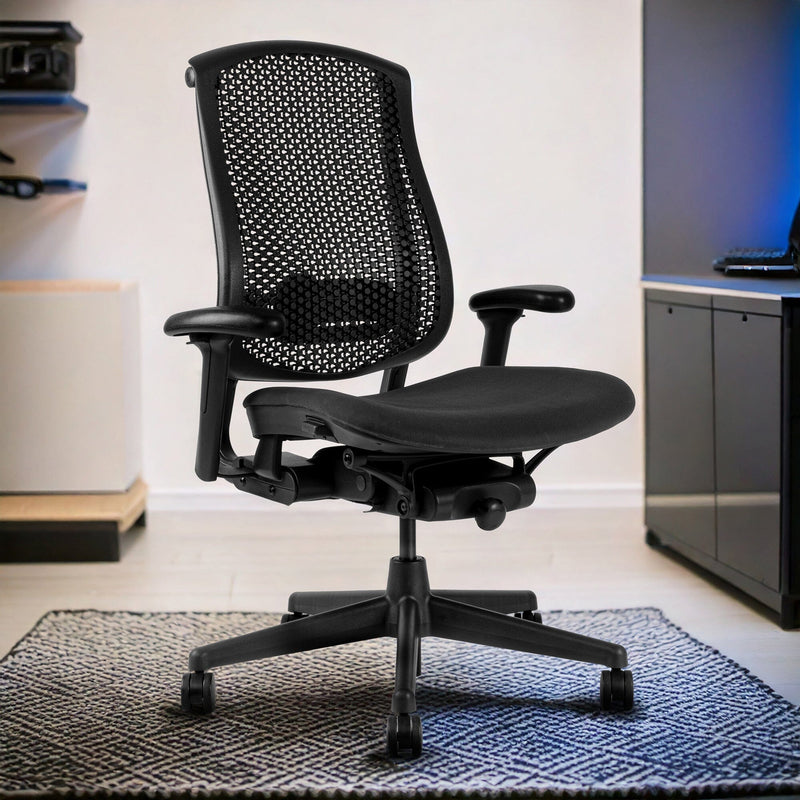
When buying used or refurbished, use this checklist to ensure the chair is fully functional.
Comparative Analysis
| Chair | LiveBack Type | Who It’s Best For | Key Ergonomic Features |
|---|---|---|---|
| Steelcase Leap Office Chair, Black Frame and Fabric | LiveBack® | Premium, full adjustability | Dynamic spine support, adjustable lumbar, extensive tilt & arm adjustments. |
| Steelcase Gesture Ergonomic Office Chair | LiveBack® | Tech-forward posture support | Designed for devices, 360° arms, sophisticated movement support. |
| Steelcase Series 1 Ergonomic Office Chair Adjustable Lumbar Support | LiveBack® Flexor System | Affordable, reliable ergonomics | Conforms to spine, weight-activated adjustments. |
| Steelcase Series 2 Ergonomic Office Chair | Air LiveBack® | Balanced comfort + airflow | Breathable geometric back, dynamic support. |
| Steelcase Think Ergonomic Office Chair | LiveBack® | Simple, sustainable design | Weight-activated support with fewer adjustments. |
Frequently Asked Questions
Q.How do I know if my Aeron is too small?
If you feel the hard plastic rim of the seat digging into your thighs or hips, or if the top of the backrest digs into your shoulder blades, the chair is likely too small. Users over 6 feet tall often require a Size C Herman Miller Aeron.
Q.What is the difference between Size B and Size C?
Size B is the standard medium size designed for the average population. Size C is the large version, offering a deeper seat pan (roughly 18.5 inches) and a wider backrest to accommodate larger frames.
Q.Can I add a headrest to the Aeron?
The Aeron does not come with a factory headrest, as the design encourages a posture where the head is balanced over the spine. However, third-party manufacturers like Atlas offer headrests compatible with the Aeron frame.
Q. How often should I readjust my chair?
You should check your settings every few weeks or whenever you change footwear (e.g., switching from boots to sneakers). Additionally, if you share the chair, you must reset it to your anthropometrics every time you sit down.

Ready to transform your space? Visit Chairorama to explore our collection.
